Choosing the right shelter can make a big difference for outdoor, barn, and feral cats during cold weather. The best insulated cat houses help block wind, retain warmth, and stay dry through rain, snow, and freezing nights.
Below, we focus on practical, buyer-friendly options that prioritize insulation, weather resistance, heating compatibility, and cat-safe entry designs so you can match the shelter to your climate and your cat’s needs.
Best 10 Insulated Cat Houses Picks for 2026
Rugged Winter Shelter
Indestructible Heated Cat House for Outdoor Use
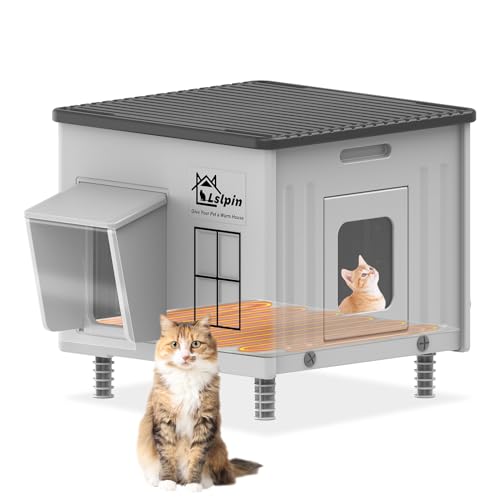
- HDPE build with weatherproof, insulated walls
- Includes a UL-certified heated pad
- Elevated base helps keep the floor dry
Best For: Feral, barn, and outdoor cats in harsh winter weather
Safety-Listed Winter Shelter
K&H Heated Cat House with Dual Exits

- MET safety listed with certified construction
- Two exits reduce the trapped feeling
- Waterproof heated bed for sub-zero conditions
Best For: Cats that need a trusted heated shelter with safe electrical certification
Large Wooden Shelter
GDLF Insulated Outdoor Cat House

- Six-sided foam insulation throughout
- Elevated waterproof base and slanted roof
- L-shaped entrance helps block wind
Best For: Rescue groups and multi-cat outdoor setups
Premium Heated Winter Shelter
Heated Outdoor Cat House with Insulated Liner

- 6-sided insulated liner with foam-lined walls, floor, and roof
- UL-tested heating pad with automatic thermostat control
- Raised base, slanted roof, and door curtain add weather protection
Best For: Multi-cat winter shelter setups in very cold climates
Heavy-Duty Outdoor Shelter
Large Insulated Cat House with Hinged Roof
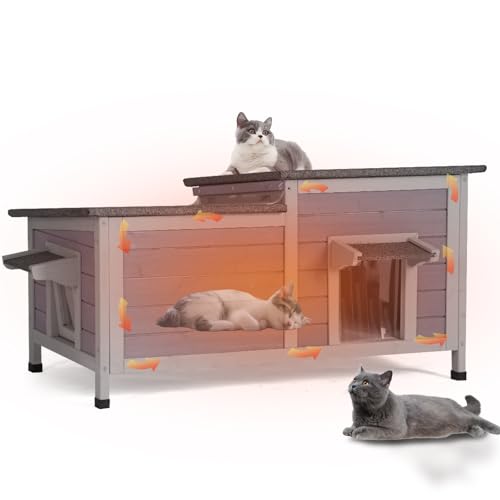
- High-quality insulation helps keep cats warm below freezing
- Waterproof roof and elevated base improve wet-weather protection
- Openable hinged roof supports easier cleaning and daily care
Best For: Barn cats and multi-cat outdoor setups needing rugged weather resistance
Compact All-Weather Shelter
Insulated Outdoor Cat House with Removable Floor

- Sealed foam insulation in the walls, roof, and floor
- Sloped roof, raised feet, and PVC curtain improve weather protection
- Openable roof and removable floor simplify cleaning
Best For: Single-cat or small-space backyard use
Heavy-Duty Heated Shelter
Indestructible Heated Cat House for Outside Winter

- Double-layer PE and PP construction
- Built-in heating pad with escape door
- Raised, weatherproof, stackable design
Best For: Tough winter shelter for outdoor cats and strays
Wooden Winter Shelter
Outdoor Cat House with Insulated Liner

- Six-sided insulated liner for warmth
- Elevated waterproof base and slanted roof
- Large wooden shelter for multiple pets
Best For: Larger outdoor shelter for feral cats and small pets
Compact Heated Refuge
Indestructible Heated Cat House for Outside

- Double-layer shell with air cavity insulation
- UL-approved heating pad included
- Tool-free setup in about 5 minutes
Best For: Small outdoor cats needing a compact heated shelter
Rugged Winter Shelter – Indestructible Heated Cat House for Outdoor Use
If you want insulated cat houses that prioritize durability as much as warmth, this heated outdoor shelter is built for rough conditions. It uses high-density HDPE, a double-layer insulated design on all four sides, and an elevated base to help keep cats drier and warmer in winter.
Best For: Feral cats, barn cats, and outdoor cats needing a rugged heated shelter with an escape door.
Pros:
- Weatherproof HDPE construction is designed for outdoor use.
- Double-layer insulation helps reduce heat loss.
- Includes a UL-certified heating pad with waterproof, flame-retardant PVC.
- Raised floor helps protect against damp ground and light standing water.
Cons:
- Heated setup requires access to power.
- Best suited for cats comfortable using a compact shelter size.
This is a practical pick if your priority is a sturdy, winter-ready shelter rather than a decorative setup. The escape-door layout, easy-clean design, and removable heated pad add useful flexibility through the seasons.
Safety-Listed Winter Shelter – K&H Heated Cat House with Dual Exits
Among insulated cat houses, this K&H shelter stands out for its safety testing and straightforward winter protection. It combines weather-resistant insulation with a 20-watt heated bed and two exits, making it a strong option for cats that need warmth and a quick way out.
Best For: Outdoor, community, and feral cats that need a safety-listed heated shelter with two exits.
Pros:
- MET safety listed and certified to exceed USA/CA electrical standards.
- Two 6″ x 8″ exits help cats avoid feeling trapped.
- Includes a waterproof heated bed that works in sub-zero temperatures.
- Clear door flaps add weather protection while keeping access flexible.
Cons:
- Requires 110/120-volt power only.
- Heated bed may not feel warm to the touch when not in use.
If safety certification and proven winter performance matter most, this is one of the most dependable options in the category. The design is simple, protective, and well suited to garages, porches, barns, and colder indoor spaces too.
Easy-Assembly Heated Shelter – Deluxe Heated Cat House with Dual Doors
If you’re comparing insulated cat houses for simple setup and everyday use, this deluxe heated shelter is a strong practical choice. It pairs a weather-resistant exterior with insulated roof and walls, plus a heated mat and removable door flaps for flexible warm-weather or cold-weather use.
Best For: Indoor or outdoor cats that need a lightweight heated shelter with quick assembly.
Pros:
- Tool-free assembly makes it easy to set up in minutes.
- Insulated roof and walls help retain warmth.
- Dual doors support airflow and easier access.
- Removable, washable heating-pad cover simplifies upkeep.
Cons:
- Smaller footprint may not suit larger cats.
- Polyester construction is lighter-duty than rigid wood or HDPE builds.
This model is best if you want a portable heated cat house that doesn’t take much effort to put together or maintain. Its raised base and removable flaps make it adaptable for porches, garages, barns, or indoor corners.
Large Wooden Shelter – GDLF Insulated Outdoor Cat House
For shoppers who want insulated cat houses with a more substantial build, this GDLF wooden shelter focuses on all-around protection and space for multiple cats. Its six-sided foam insulation, elevated waterproof base, and offset entrance are aimed at keeping out wind, rain, and other weather exposure.
Best For: Rescue groups, multiple feral cats, or anyone wanting a larger insulated wooden cat shelter.
Pros:
- Six-sided foam insulation covers walls, roof, and floor.
- Elevated waterproof base helps protect against wet ground.
- L-shaped entrance and curtains help block wind and rain.
- Roof opens for easier access and daily cleaning.
Cons:
- Heavier and larger than portable soft-sided shelters.
- Assembly is easy, but it still requires more space than compact models.
This is a solid choice when insulation, weather protection, and a more permanent outdoor presence matter most. The wood construction and dark finish also help it blend into outdoor surroundings more naturally.
Premium Heated Winter Shelter – Heated Outdoor Cat House with Insulated Liner
If you want insulated cat houses that go beyond basic wind protection, this heated outdoor model is built for serious winter use. Its 6-sided insulated liner, foam-lined walls, and UL-tested heating pad help retain warmth for feral or outdoor cats when temperatures fall below freezing, while the raised base and slanted roof add weather resistance.
Best For: Multi-cat winter shelter setups, especially for feral or stray cats in very cold climates.
Pros:
- 6-sided insulation plus foam-lined walls, floor, and roof for stronger heat retention
- Included heating pad with thermostat keeps temperatures automatically regulated
- Door curtain, elevated base, and slanted roof help block wind and shed rain
- Openable roof makes cleaning and daily access easier
Cons:
- Requires power for the heating pad to deliver its full winter benefit
- Larger footprint may be more shelter than needed for a single cat
Overall, this is a feature-rich insulated cat house for buyers who want warmth management, weather protection, and easier upkeep in one setup. It is especially appealing if you need a dependable shelter for multiple cats in cold outdoor conditions.
Heavy-Duty Outdoor Shelter – Large Insulated Cat House with Hinged Roof
For shoppers comparing insulated cat houses for rugged outdoor use, this GUTINNEEN shelter focuses on warmth, durability, and easy access. It uses high-quality insulation to help keep cats cozy below freezing, while the waterproof roof, elevated base, and wind-blocking curtain are designed to handle wet and cold conditions.
Best For: Barn cats, feral cats, or multi-cat outdoor shelters where easy cleaning and weather resistance matter.
Pros:
- High-quality insulation helps trap warmth in below-freezing weather
- Fully upgraded waterproof roof and elevated design help keep interiors dry
- Openable hinged roof makes routine cleaning and care simple
- Emergency escape door adds a useful safety option for outdoor cats
Cons:
- No heating pad is included, so it relies on insulation rather than active heat
- Large size may take up more space than compact shelters
This is a practical pick if you want a no-frills insulated shelter with strong weather protection and simple maintenance. It suits outdoor cat setups where durability and easy access are higher priorities than built-in heat.
Compact All-Weather Shelter – Insulated Outdoor Cat House with Removable Floor
If you are shopping for insulated cat houses with straightforward construction and easy upkeep, this gray outdoor shelter is a compact, practical option. Foam insulation is sealed into the walls, roof, and floor, and the sloped roof, raised feet, and PVC curtain are all aimed at helping outdoor cats stay drier and more protected.
Best For: Single-cat or small-space backyard use where easy cleaning is a top priority.
Pros:
- Built-in foam insulation preserves interior space while reducing cold exposure
- Sloped asphalt roof and raised feet help shed rain and keep the house off wet ground
- Dual escape doors improve safety and flexibility for outdoor cats
- Openable roof and removable floor make cleaning and access easier
Cons:
- Smaller overall size may not suit larger colonies or multiple cats
- No heating pad included for active warmth
This shelter is a solid choice if you want insulation, weather resistance, and maintenance-friendly features without extra complexity. It fits well in backyards where a smaller, easier-to-clean cat house makes the most sense.
Heavy-Duty Heated Shelter – Indestructible Heated Cat House for Outside Winter
If you want insulated cat houses that can handle harsh weather, this heated outdoor shelter is built for durability first. The double-layer PE and PP construction, reinforced panels, and heating pad make it a strong fit for protecting outdoor cats through snow, rain, and sub-zero temperatures.
Best For: Outdoor cats, strays, or multi-cat setups that need a tough, weatherproof heated shelter with quick assembly.
Pros:
- Double-layer reinforced plastic design is built to resist impacts and bad weather.
- Insulation, weatherproof awning, and PVC door flap help block wind, rain, and cold air.
- Raised-footrest base helps keep the shelter off wet snow and moisture.
- Tool-free setup, detachable top, and stackable design add convenience.
Cons:
- Heating pad must stay flat without wrinkles for proper use.
- Heavier and more rigid than simpler soft-sided shelters.
This is a practical pick if you need a rugged insulated cat house with built-in heat and a safety-focused escape door. It emphasizes protection, warmth, and easy maintenance more than lightweight portability.
Wooden Winter Shelter – Outdoor Cat House with Insulated Liner
Among insulated cat houses, this wooden shelter stands out for its all-around thermal liner and larger footprint. The solid wood body, sponge insulation, and elevated waterproof base are designed to give feral or outdoor cats a dry, warmer place to rest in cold, wet conditions.
Best For: Buyers wanting a larger wooden insulated shelter for feral cats, kittens, or small dogs in winter.
Pros:
- Six-sided insulated liner helps trap warmth from all sides.
- Thick sponge-filled thermal liner adds extra cold-weather protection.
- Elevated, leak-proof base and slanted roof help shed rain and snow.
- Large size can accommodate multiple small animals or one larger pet.
Cons:
- Heavier wood construction is less portable than plastic shelters.
- No built-in heating pad included in the supplied notes.
If your priority is passive insulation rather than powered heat, this is a strong winter shelter option. It focuses on warmth, dryness, and roominess for outdoor use in harsher weather.
Compact Heated Refuge – Indestructible Heated Cat House for Outside
If you need insulated cat houses with built-in warmth in a smaller footprint, this heated outdoor model is designed for cold, wet conditions. Its double-layer shell, air cavity insulation, and UL-approved heating pad are meant to help keep cats comfortable in barns, garages, porches, or patios.
Best For: Outdoor cats under 13 lbs that need a compact heated shelter with quick setup and predator-aware safety features.
Pros:
- Double-layer shell with air cavity helps trap heat and block cold.
- UL-approved heating pad adds active warmth for winter use.
- Tool-free assembly takes about 5 minutes, according to the notes.
- Elevated base, waterproof awning, and escape door improve weather protection and safety.
Cons:
- Best suited for cats under 13 lbs, so it may be too small for larger pets.
- Smaller footprint offers less interior space than larger shelters.
This is a good choice if you want a heated insulated shelter that is easy to set up and built for rough outdoor conditions. The compact size makes it useful where space is limited, but it is not the roomiest option.
How We Picked These Insulated Cat Houses
We prioritized shelters designed for real outdoor use: insulation that helps hold heat, weatherproof materials, elevated or sealed bases, and entry/exit designs that support safety. We also considered whether the house works as a passive shelter or includes a heating element for extreme cold.
Assembly, durability, and ease of cleaning mattered too. For many buyers, the best Insulated Cat Houses are the ones that balance warmth with simple setup and a size that fits the cat comfortably without leaving too much empty space to heat.
Quick Comparison: What Matters Most
If you live in a milder climate, a well-insulated, weather-resistant shelter may be enough on its own. In colder regions, a heated model can be a better fit, especially for senior cats, kittens, or ferals that need consistent warmth. Houses with escape doors are often preferred because they provide a second exit and can help timid cats feel safer.
Passive Vs. Heated
Passive insulated shelters rely on structure, lining, and wind protection. Heated units add a warming pad or built-in heat source for extra comfort. Choose heated models only when you have access to safe outdoor power and want added protection during severe winter conditions.
Size and Interior Space
A shelter should be large enough for a cat to turn around, but not so large that body heat disperses quickly. Multiple cats may need separate houses rather than one oversized unit.
Key Buying Factors for Insulated Cat Houses
Insulation: Look for lined walls, insulated panels, or multi-layer construction that helps retain warmth.
Weatherproofing: Raised floors, sealed seams, and water-resistant roofs help keep bedding dry.
Safety: Escape doors, low-voltage heating, and safety-listed components are important, especially for outdoor setups.
Cleaning and access: Hinged roofs or removable panels make maintenance easier, which is especially helpful for feeding stations and colony care.
Placement: Even the best shelter works better when placed in a sheltered area, slightly off the ground, and protected from direct wind and standing water.
Who Should Buy Which Insulated Cat Houses?
Choose a heated insulated cat house if you need maximum winter protection in freezing climates or support for a vulnerable cat. Choose a non-heated insulated shelter if you want a simpler, lower-maintenance option for a covered porch, garage, or moderate winter weather.
For feral cat caregivers, models with escape doors and durable exteriors are often the most practical. For pet owners, easy-assembly designs and compact footprints may be more convenient. In short, match the shelter to your climate, power access, and the cat’s comfort level for the best results.