Small dogs need mental exercise as much as physical activity, but their size can make some enrichment toys difficult to use. The right puzzle should offer an achievable challenge, appropriately sized openings, and safe materials for your dog’s play style.
We’ve gathered 10 dog puzzle toys for small dogs, from treat-dispensing balls and food puzzles to snuffle balls and mats. Use the guide below to compare difficulty, cleanup, durability, and the best match for your dog’s habits.
Best 10 Dog Puzzle Toys for Small Dogs Picks for 2026
Best Hide-and-Seek Plush

- Three squeaky squirrels to discover
- Soft plush design for carrying and cuddling
- Simple enrichment for indoor play
Best For: Small dogs that enjoy plush hide-and-seek toys
Best Multi-Mode Treat Puzzle
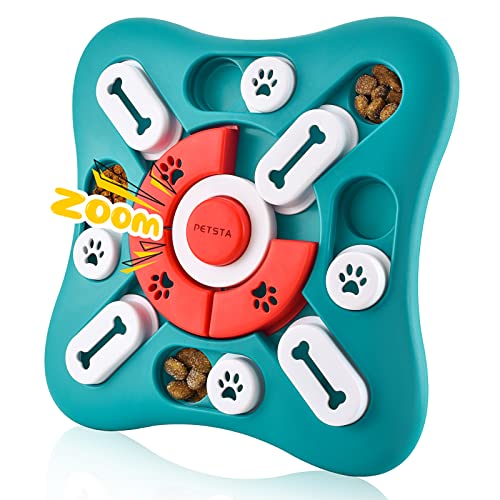
- Three difficulty designs for varied play
- Sixteen treat holes support slow feeding
- Dishwasher-safe with anti-slip pads
Best For: Food-motivated dogs that enjoy sliding puzzles
Best Beginner Treat Ball

- Level 1 puzzle for first-time users
- Holds up to one cup of food
- Adjustable difficulty through treat size
Best For: Puppies and small dogs learning treat puzzles
Best Small-Breed Sliding Feeder

- Designed for small breeds and puppies
- Sliding food game exercises nose and paws
- Supports slower, more engaging feeding
Best For: Small dogs that prefer flat sliding food puzzles
Best Value Variety

- Nine-piece set with lick mats, puzzle toy, and treat balls
- Three difficulty levels for varied enrichment
- Includes spatula and cleanup bags
Best For: Small dogs and puppies needing varied indoor or outdoor enrichment
Best for Sniffing Enrichment

- Deep folds encourage natural foraging
- Soft polar fleece suits sniffing and nuzzling
- Machine washable and dryer-friendly
Best For: Small dogs and puppies that enjoy scent-based play
Best for Adjustable Challenge

- Four games across three challenge levels
- Fourteen holes can slow treat-based feeding
- Six anti-slip pads improve stability
Best For: Small adult dogs that enjoy supervised multi-step puzzles
Best with Extra Features

- Hides treats to encourage natural foraging
- Supports slower eating and boredom relief
- Washable design with a squeaky carrot included
Best For: Small dogs that enjoy scent-based treat games
Best For Foraging Sessions

- Includes eight treat-hiding areas
- Helps slow eating and reduce boredom
- Washable and folds with storage straps
Best For: Small and medium pets that forage calmly
Best Sliding Treat Challenge
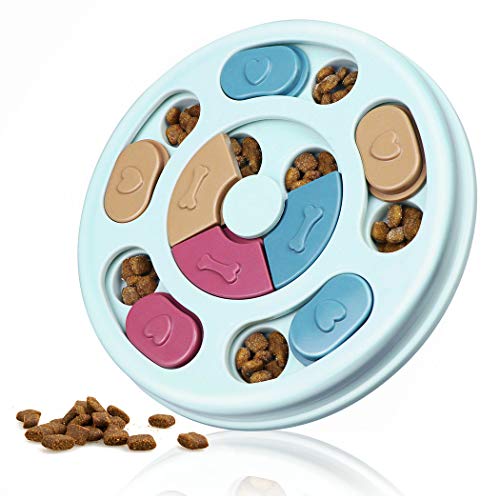
- Uses sliding parts to reveal treats
- Provides mental exercise and problem solving
- Doubles as a slow feeder and treat dispenser
Best For: Small dogs and puppies that enjoy hands-on puzzles
Best Hide-and-Seek Plush – Hide-A-Squirrel
For dogs that enjoy carrying and searching, the Outward Hound Hide-A-Squirrel is a soft, approachable option among dog puzzle toys for small dogs. It combines a plush tree trunk with three squeaky squirrels, giving dogs a simple hide-and-seek activity along with gentle tug and cuddle play.
Best For: Small dogs that enjoy plush toys, squeaking, and beginner-friendly hide-and-seek games.
Pros:
- Combines a plush toy with an interactive hiding puzzle.
- Includes three squeaky squirrels to find and pull out.
- Soft, lightweight design is suitable for carrying and cuddling.
Cons:
- Plush construction may not suit aggressive chewers.
- It is intended for indoor use and is not water resistant.
This is a particularly appealing pick for small dogs motivated by squeaks and movement rather than food rewards. Supervision is recommended because the toy is not indestructible.
Best Multi-Mode Treat Puzzle – PETSTA UFO
The PETSTA UFO is a feature-rich choice among dog puzzle toys for small dogs, combining treat dispensing, sliding games, and a central squeak button. Its three difficulty designs and 16 treat holes can turn snacks into a longer brain game and slow-feeding activity.
Best For: Dogs that enjoy food-based challenges, sliding puzzles, and adjustable enrichment.
Pros:
- Offers Spin & Slide and Seek & Hide play modes.
- Sixteen treat holes and three difficulty designs support varied play.
- Non-removable built-in parts, anti-slip pads, and dishwasher-safe cleaning add convenience.
Cons:
- The product notes caution against use with aggressive chewers.
- Its listed dimensions may take more floor space than a simple treat ball.
With multiple ways to play and a slow-feeder function, this puzzle is suited to owners who want one toy for training, mental stimulation, and treat-based engagement. Introduce the sliders gradually so your dog can learn the mechanics.
Best Beginner Treat Ball – Nina Ottosson Treat Tumble
The Nina Ottosson Treat Tumble is a beginner-friendly option among dog puzzle toys for small dogs. Dogs nudge and roll the 4.8-inch ball to release treats, while the adjustable treat size lets you make the challenge easier or more demanding.
Best For: Puppies and small dogs new to treat-dispensing puzzles or needing more engaging mealtimes.
Pros:
- Level 1 design is intended for beginners.
- Holds up to one cup of kibble or treats and can support slow feeding.
- Food-safe construction has no removable parts and is made without BPA, PVC, lead, or phthalates.
Cons:
- Rolling play may be less suitable in tight indoor spaces.
- It is not water resistant, so it is designed for indoor use.
This ball makes a sensible starting point for dogs that have not used puzzle toys before. Begin with smaller treats for easier dispensing, then increase the challenge with larger treats as your dog learns.
Best Small-Breed Sliding Feeder – DR CATCH Dog Puzzle
The DR CATCH Dog Puzzle is designed specifically for cats, puppies, and small dogs, making it a practical choice among dog puzzle toys for small dogs. Pets move the sliders with their nose or paws to uncover food, adding mental stimulation while encouraging slower, more engaging feeding.
Best For: Small breeds and puppies that respond well to sliding food puzzles and slow-feeder routines.
Pros:
- Made for small breeds, puppies, and cats.
- Sliding parts encourage paw and nose work while searching for food.
- Can help slow feeding and make snack time more interactive.
Cons:
- The product notes do not specify a difficulty level, so some dogs may need an introduction.
- It is not indestructible and should be replaced if damaged.
- The listed size may require a reasonably clear feeding area.
This puzzle is a focused option for owners who want food enrichment without a rolling toy. Its flat design and small-breed recommendation make it well suited to structured indoor feeding activities, with supervision advised during use.
Best Value Variety – Forfon 9-Pack Enrichment Set
For households comparing dog puzzle toys for small dogs, the Forfon set offers several ways to add enrichment to meals and playtime. It includes lick mats, a puzzle toy, treat balls, and useful accessories for indoor or outdoor activities.
Best For: Small dogs and puppies that benefit from varied treat-dispensing, licking, and puzzle activities.
Pros:
- Includes nine pieces for multiple enrichment activities.
- Offers three difficulty levels across lick mats, puzzle play, and treat balls.
- Lick mats and treat balls can support slower eating and more active mealtimes.
- Includes a silicone spatula and bags for added convenience.
Cons:
- The set is intended for small to medium-sized dogs, so individual pieces may not suit every dog.
- It is not water resistant.
- The variety may require more storage and cleanup than a single toy.
This is a flexible starter set for owners who want more than one enrichment format. Choose it when variety and value matter more than having one specialized puzzle.
Best for Sniffing Enrichment – Small Dog Snuffle Ball
This fleece snuffle ball is a focused option for owners seeking dog puzzle toys for small dogs that encourage sniffing and foraging. Hide treats within the fabric strips to turn indoor play or mealtime into a scent-based activity.
Best For: Small dogs and young puppies that enjoy sniffing, foraging, and slower treat-based meals.
Pros:
- Deep folds encourage natural scavenging behavior.
- Soft polar fleece is designed for gentle nuzzling and sniffing.
- Can help slow eating by making dogs search for each bite.
- Machine washable and dryer-friendly for easier cleanup.
Cons:
- It is designed for indoor use and is not water resistant.
- It provides scent-based play rather than multiple puzzle mechanisms.
- Supervision is still appropriate during use, especially with puppies.
The snuffle ball is a practical pick for rainy days, indoor enrichment, or dogs that gulp their food. Its appeal centers on sniffing rather than chewing or sliding puzzles.
Best for Adjustable Challenge – Barkwhiz Three-Level Puzzle
For small dogs ready for a more structured challenge, the Barkwhiz puzzle combines sliding and flipping games with treat compartments. Its multiple levels make it a useful choice among dog puzzle toys for small dogs, provided your dog is supervised while playing.
Best For: Small adult dogs that enjoy learning multi-step treat puzzles and need slower, more engaging meals.
Pros:
- Offers four games across levels one through three.
- Fourteen food-storage holes can extend feeding time.
- Six silicone anti-slip pads help keep the puzzle in place.
- Food-safe materials can be cleaned with warm water and soap.
Cons:
- The manufacturer recommends supervision to prevent destruction or swallowing of components.
- The plastic puzzle is not water resistant.
- Its 11.5-by-9.3-inch footprint may be larger than some small-dog setups require.
This puzzle suits clever small adult dogs that enjoy progression and variety. It is a stronger fit for interactive training sessions than for leaving out unattended.
Best with Extra Features – Small Dog Snuffle Ball
For pet owners comparing dog puzzle toys for small dogs, this snuffle ball combines treat hiding, scent work, and slower feeding in a compact format. Its cloth strips encourage natural foraging, while the included squeaky carrot adds another interactive element.
Best For: Small dogs and other pets that enjoy scent-based treat games, indoor enrichment, and portable play.
Pros:
- Thickened cloth strips create multiple areas for hiding snacks or small toys.
- Encourages sniffing, foraging, and slower eating.
- Can be hand-washed or machine-washed and used indoors or outdoors.
- Includes a soft squeaky carrot toy.
Cons:
- It is not designed as a chew toy.
- Requires supervision to help prevent swallowing damaged pieces.
- The ball is listed as not water resistant.
This is a flexible choice for small dogs that respond well to scent-driven games. Choose it for enrichment and treat searching rather than heavy chewing.
Best For Foraging Sessions – Small Dog Snuffle Mat
This snuffle mat is a practical option for dog puzzle toys for small dogs when you want a larger, floor-based enrichment activity. Its eight treat-hiding areas turn mealtime or training into a natural foraging game.
Best For: Small and medium dogs, cats, and rabbits that need slower feeding, mental stimulation, or a boredom-busting indoor activity.
Pros:
- Eight places provide varied locations for hiding treats.
- Designed to encourage natural foraging and slow fast eating.
- Machine- and hand-washable for easier cleanup.
- Elastic straps help secure the mat for storage or portability.
Cons:
- The felt material is not chewproof.
- Not recommended for extra-large or aggressive chewers.
- It is intended for indoor use and is not water resistant.
With its generous rectangular layout and multiple hiding zones, this mat suits supervised enrichment sessions. It is best for dogs that forage calmly rather than chew or tear at their toys.
Best Sliding Treat Challenge – Interactive Dog Puzzle Feeder
For dogs that prefer paws-on problem solving, this sliding feeder is one of the more structured dog puzzle toys for small dogs. Pets move the sliders to uncover food, creating a sequential challenge that also works as a treat dispenser and slow feeder.
Best For: Small dogs and puppies that enjoy moving parts, treat training, and interactive mental exercise.
Pros:
- Sliding sections encourage pets to use their noses or paws.
- Provides a sequential brain game and problem-solving challenge.
- Can slow feeding and dispense training treats.
- Non-detachable sliders help reduce the risk of swallowed loose parts.
Cons:
- The product is made of plastic, so it may not suit heavy chewers.
- The puzzle requires supervision during interactive play.
- Its challenge may be more suitable for pets willing to learn sequential steps.
This feeder is a good fit when you want an interactive puzzle rather than a fabric sniffing toy. It offers a hands-on way to redirect boredom and make treat time more mentally engaging.
How We Picked the Best Dog Puzzle Toys for Small Dogs
We focused on toys that provide food-based enrichment, encourage problem-solving, or support natural foraging behaviors. The selection includes several puzzle formats so you can match the toy to your dog’s size, experience, eating habits, and preferred play style.
We also considered practical factors such as adjustable difficulty, cleaning requirements, portability, storage, and whether a toy can be used with kibble as well as treats. Because small dogs vary widely in jaw strength and persistence, supervision and toy inspection remain important.
Quick Comparison
| Toy type | Best for | Main advantage |
|---|---|---|
| Treat-dispensing ball | Dogs that enjoy rolling toys | Combines movement with reward-based play |
| Food puzzle feeder | Fast eaters and beginner problem-solvers | Can make meals last longer |
| Snuffle ball or mat | Dogs that like searching and scent work | Encourages natural foraging behavior |
| Lick mat | Calm, stationary enrichment | Supports licking-based engagement |
| Multi-toy set | Owners who want variety | Offers multiple enrichment activities |
Key Buying Factors for Dog Puzzle Toys for Small Dogs
Size and Treat Compatibility
Choose a toy your dog can comfortably carry, nose, paw, or reach. Check the recommended size and use treats or kibble that fit the openings without becoming lodged. Oversized or overly heavy toys may frustrate smaller dogs.
Difficulty and Adjustability
Beginner-friendly designs are usually best for dogs new to puzzles. If your dog solves toys quickly, look for multiple compartments, adjustable openings, or a design that requires more active searching. Increase difficulty gradually to prevent frustration.
Material and Durability
Plush and fabric toys can be engaging but may not withstand determined chewing. Plastic or rubber options are often easier to wipe clean, while fabric puzzles may be better for scent-based play. Remove damaged pieces promptly.
Cleaning and Food Safety
Food residue can build up in hidden compartments and fabric folds. Prefer dishwasher-safe or machine-washable parts when possible, and follow the manufacturer’s care instructions. Dry washable toys fully before reuse.
Supervision and Pacing
Interactive food toys should be introduced while you observe how your dog uses them. A puzzle feeder can help some fast eaters, but it should not replace veterinary-approved dietary or feeding advice.
Who Should Buy Which Dog Puzzle Toys for Small Dogs?
Choose a treat-dispensing ball for an active small dog that enjoys rolling, nudging, and chasing rewards. A food puzzle feeder is a practical choice for dogs that eat quickly or need a structured mealtime activity. Snuffle balls and mats suit dogs that prefer quiet scent work, nose-led searching, and slower exploration.
For puppies or first-time users, start with a simple design and highly motivating but appropriately sized rewards. Experienced problem-solvers may prefer a multi-level puzzle or a varied enrichment set. If your dog loses interest easily, a set with several formats can provide rotation without relying on one toy every day.
Regardless of the style, select a size your dog can use safely, introduce the toy gradually, and inspect it regularly. Rotating two or three suitable options can keep enrichment fresh while helping you identify which puzzle best fits your dog’s behavior.